Back to home | bookmark our website |
Hello, welcome to Wuxi Bonrxin Environmental Technology Co., Ltd.!



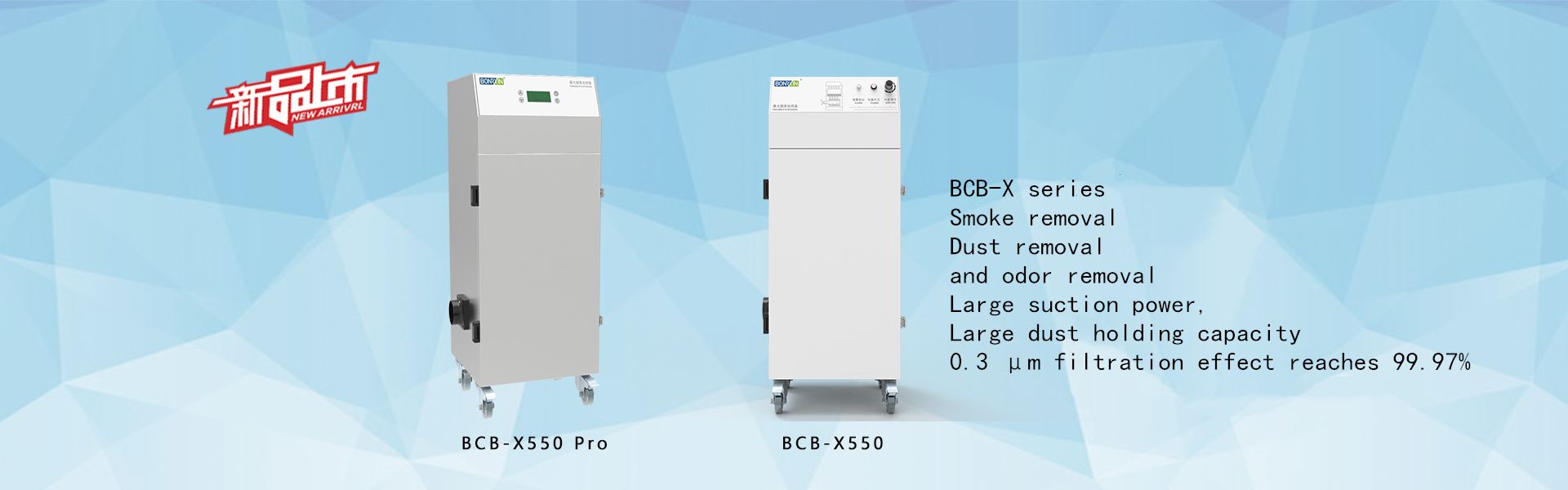

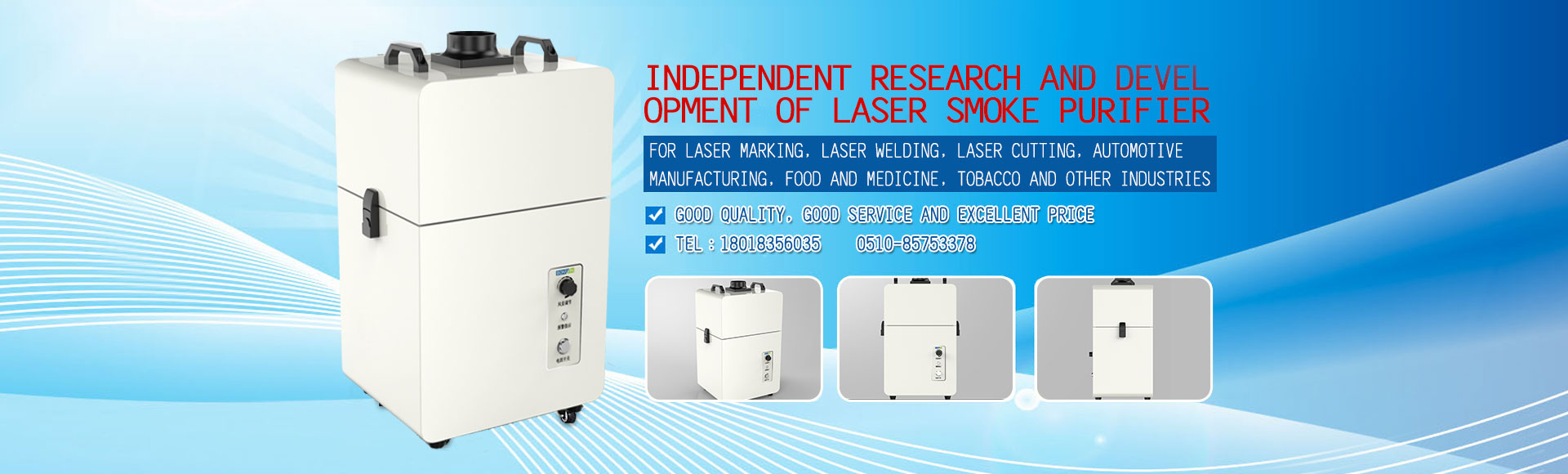

The use of welding fume purifiers to collect and filter harmful fumes generated during welding processes is essential. In industrial production—especially in sectors like steel manufacturing, special metal processing, and other heavy industries—processes such as cutting, welding, smelting, and fusing often produce large volumes of welding fumes. Grinding and welding are indispensable steps in these operations.
Welding fume purifiers are specifically designed to collect and purify harmful smoke produced during welding. The necessity of such systems lies in the fact that industrial operations frequently generate toxic substances. During welding, hazardous compounds such as ozone, nitrogen oxides, acetaldehyde, abietic acid (rosin), sulfides, hydrocarbons, carbon monoxide, fluorides, and chlorinated compounds may be released.
What health risks do these toxic substances pose to workers? Let us analyze a few:
1. Ozone
Ozone in the welding zone, once inhaled, primarily irritates the respiratory and nervous systems. It can lead to symptoms such as chest tightness, coughing, dizziness, fatigue, and loss of appetite.
2. Carbon Monoxide (CO)
Carbon monoxide readily binds with hemoglobin to form carboxyhemoglobin, which disables the blood’s ability to transport oxygen. This results in tissue asphyxiation and has systemic toxic effects—most notably on the cerebral cortex. In welding, carbon monoxide mainly arises from the thermal decomposition of CO₂. Therefore, CO₂-shielded welding produces large amounts of CO, whereas other arc welding methods produce only trace amounts.
3. Nitrogen Oxides (NOₓ)
This category includes N₂O, NO, NO₂, and N₂O₅. These reddish-brown gases are heavier than air and are four to five times more toxic than NO. When in contact with water, they form nitric or nitrous acid and strongly irritate the respiratory tract. Inhaling high concentrations of nitrogen oxides can cause acute asthma attacks or pulmonary edema. Long-term exposure may lead to nervous system disorders and chronic respiratory inflammation.
4. Hydrogen Fluoride (HF)
When fluorine-containing welding materials are used, small amounts of HF gas may be released. HF is highly irritating. In severe cases, excessive welding fumes may cause serious health effects including pulmonary edema, bronchitis, lung cancer, asthma, eczema, skin allergies, and respiratory infections. In extreme cases, they may disrupt the central nervous system, damage the digestive system, and cause fatal complications due to organ failure.
Given these risks, it is clear that implementing effective air purification and dust removal systems in industrial welding environments is essential. These systems ensure a cleaner and healthier workspace, reduce the risk of occupational diseases, and contribute to improved product quality and production efficiency.
 BCB-M600 Fume Purifier
 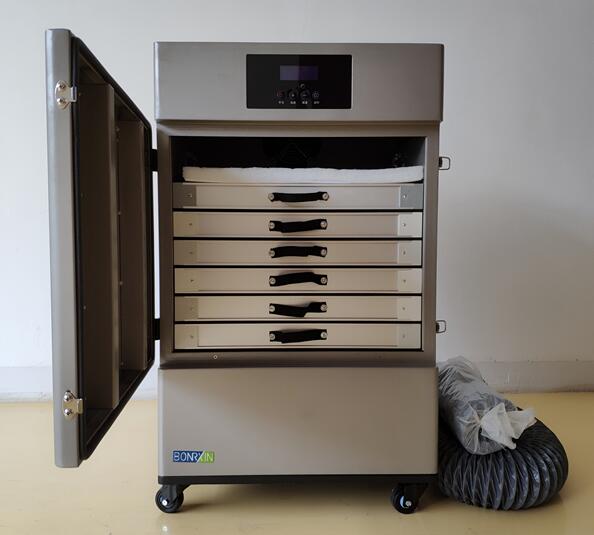 BCB-M1000 Fume Purifier
 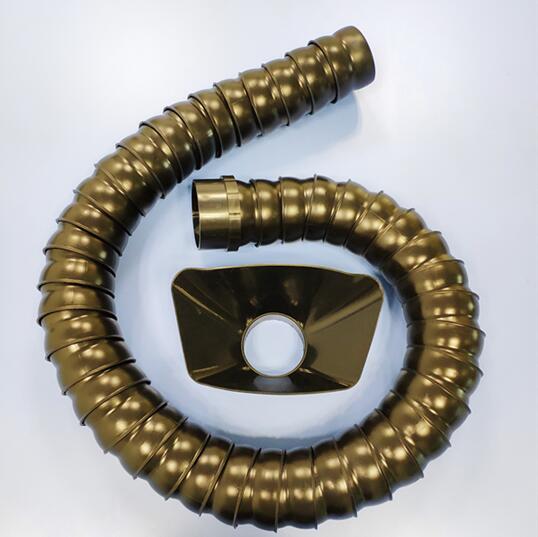 Flexible Bellows Pipe
 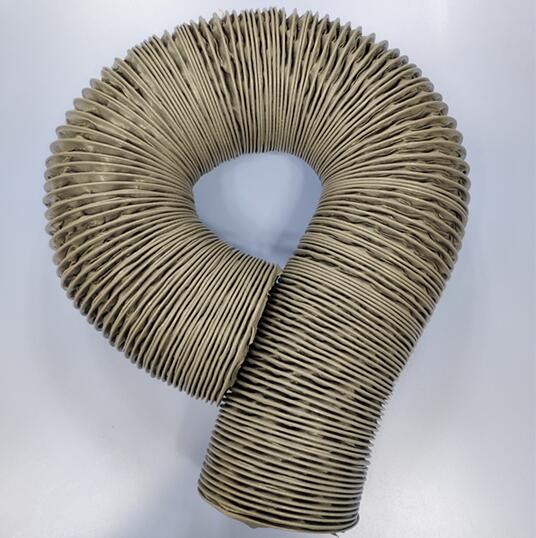 Soft Hose
 Enterprise substation: Guangdong | Shanghai | Beijing | Jiangsu | Hubei |
Disclaimer: Some content on this website is sourced from the internet. If any material inadvertently infringes on third-party intellectual property rights, please contact us by phone or in writing. We will respond promptly and take appropriate action.

