Back to home | bookmark our website |
Hello, welcome to Wuxi Bonrxin Environmental Technology Co., Ltd.!




In autumn and winter, as smog becomes more severe, people tend to keep windows closed for extended periods. In such enclosed spaces, harmful substances like formaldehyde released from indoor construction materials cannot be ventilated in time. At the same time, harmful pollutants such as carbon dioxide, dust, and dander increase, while oxygen levels decrease, posing risks to health.
During this time, many households choose to use air purifiers. While air purifiers are not unfamiliar to most people, many families still do not fully understand or use them. This is largely because people know air purifiers can "purify the air," but they are often unclear about what specific pollutants are being removed and how the device actually works.
1. Formaldehyde Removal
2. Benzene Compounds
3. Dust
4. Smoke
5. Fume (Smoke Mist)
Various engineered wood panels used in furniture—such as particleboard, fiberboard, and plywood—contain adhesives that emit formaldehyde. This is especially true when inferior-quality adhesives are used, which can release higher levels of formaldehyde. Household air purifiers can effectively remove this pollutant, helping restore clean and fresh air.
Benzene is commonly found in adhesives, waterproofing materials, paints, and coatings. Long-term inhalation may lead to serious health conditions such as leukemia, aplastic anemia, and fetal abnormalities. Air purifiers are capable of efficiently removing these benzene-related compounds from indoor air.
Dust consists of fine solid particles that, when suspended in the air, can severely affect the quality of the air we breathe. Household air purifiers can effectively capture and remove dust, improving overall air cleanliness.
Unlike dust, smoke is composed of fine particles generated through combustion. These particles can linger in the air and may vary in toxicity depending on the materials burned. For those aiming to improve indoor air quality, removing smoke is a crucial function of an air purifier.
Although "fume" and "smoke" are similar, they differ slightly in formation. Fumes are produced through sublimation, condensation, and oxidation of burning particles, which can cause significant harm to the respiratory system. Therefore, it is important to use air purifiers to handle this specific type of indoor air pollution as well.
 BCB-M600 Fume Purifier
 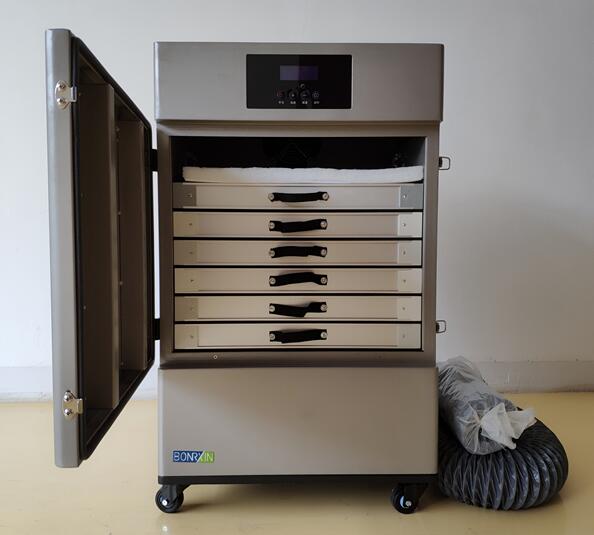 BCB-M1000 Fume Purifier
 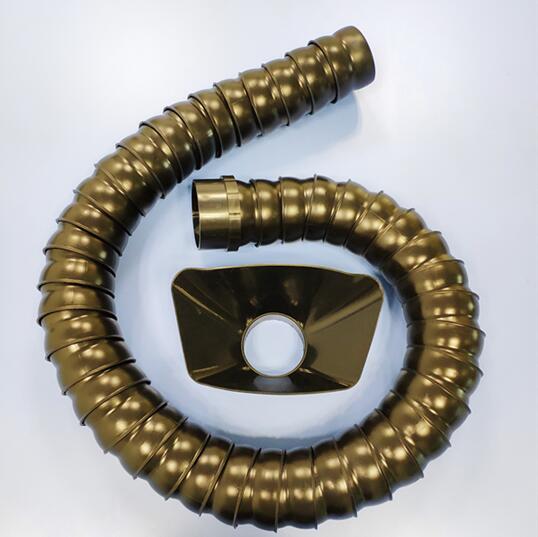 Flexible Bellows Pipe
 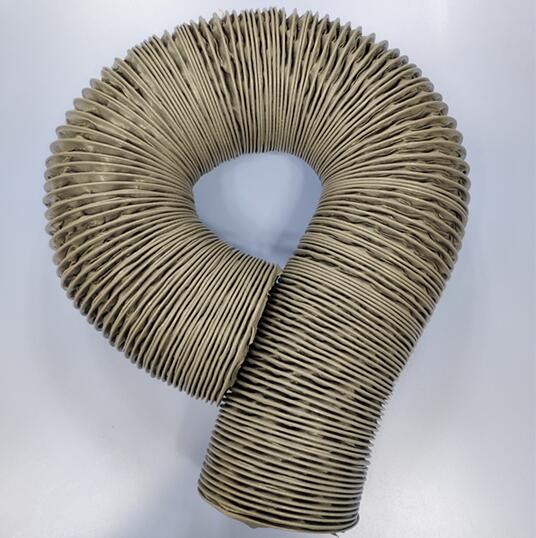 Soft Hose
 Enterprise substation: Guangdong | Shanghai | Beijing | Jiangsu | Hubei |
Disclaimer: Some content on this website is sourced from the internet. If any material inadvertently infringes on third-party intellectual property rights, please contact us by phone or in writing. We will respond promptly and take appropriate action.

